A month on from World of Modular in Las Vegas, our Co-Founder DJ has had time to reflect on the event and the key insights we should apply to the UK market. In this blog, he shares his thoughts on the global modular landscape, the challenges we face locally, and why Sano is determined to lead the way forward.
Attending the World of Modular 2025 conference in Las Vegas was a window into the future of housing, innovation, and the evolving modular construction industry in the US and held a mirror up to the UK industry too. From rapid deployment projects in Hawaii to global policy shifts, the event offered a masterclass on modular construction’s potential and limitations.
For those of us working within the often-frustrating UK housing sector, the scale, ambition, and collaboration spirit on display was inspiring and sobering. There’s clearly momentum building. The question is: What can the UK learn and apply from World of Modular?
Innovation needs breathing room
The opening keynote from Kyle Scheele set the tone: the housing sector won’t shift by clinging to what’s “reasonable.” Innovation needs space to flourish—even if the ideas initially sound a little wild.
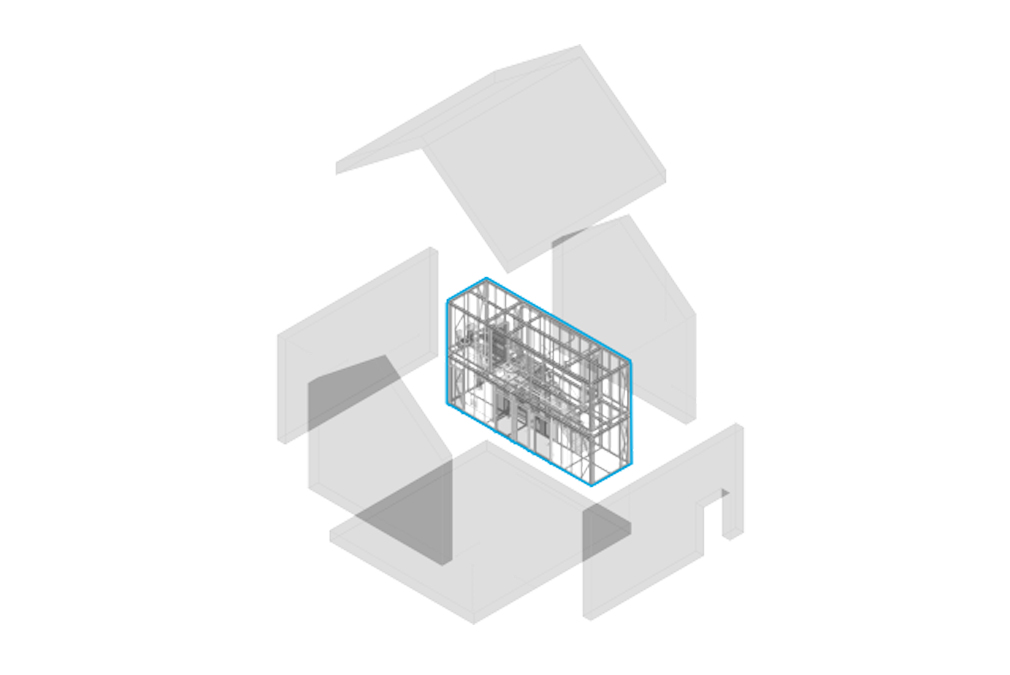
This really resonated with us as we’re an innovation partner for housing. Our work includes M-Dock, a hybrid construction solution designed to handle the complex elements of housing builds more efficiently. But beyond systems, our belief in challenging convention and disrupting the status quo of the sector drives us. Whether it’s rethinking procurement models or simplifying product design for manufacturing, innovation is our DNA.
Policy, planning and political will
One of the strongest themes at the conference was the growing success of advocacy across the US and Canada. Jon Hannah-Spacagna from the Modular Building Institutehighlighted key wins: influencing legislation, expanding standards, and increasing federal partnerships, particularly around disaster relief and affordable housing. In Canada, modular construction is even playing a role in federal election debates.
It’s a sharp contrast to the UK, where recent MMC failures and an uncertain political climate have cast doubt over the sector’s viability. Yet, as Edward Jezeph from Homes England reminded the room, the UK is not alone. Ireland, Australia, Canada, and Japan are all grappling with similar challenges—and increasingly looking to offsite construction to solve them. Standardisation, streamlined approvals, and design catalogues are some of the tools they’re using to move faster.
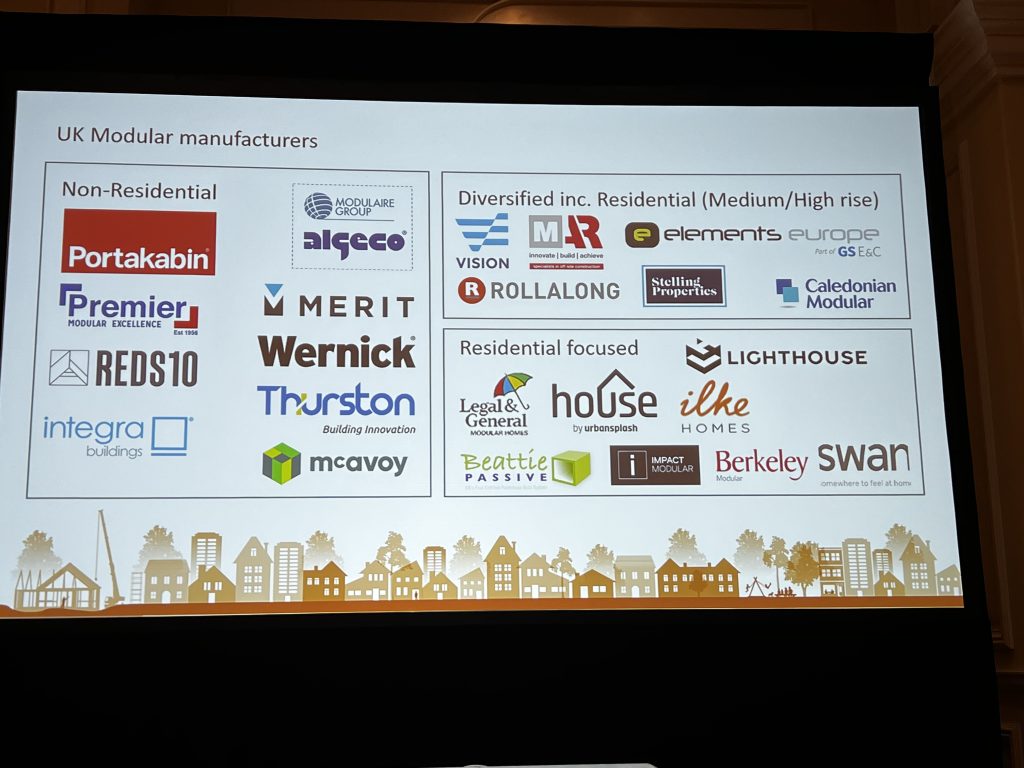
As Ed shared with his slides, it’s clear that most of the modular players in the UK who were around two years ago—especially those focusing solely on residential—have disappeared. When I spoke with Edward later, we discussed at length the idiosyncrasies and inertia of the UK housebuilding market, which may have contributed to the closure of those manufacturers. I’m determined that Sano will not fall victim to these same challenges.
There’s a valuable lesson here. Innovation doesn’t work in isolation. It needs policy alignment and long-term commitment. Many heads are better than one, and we work with manufacturers, housing providers, and local authorities to bring new solutions into practice, helping to bridge the gap between ambition and delivery.
Maui’s modular response and a UK reality check
One of the most powerful sessions came from the teams delivering emergency housing after the devastating 2023 fires in Maui. Within 45 days of getting the go-ahead, modules were built, shipped, and installed.
That speed didn’t happen by accident. It resulted from pre-planning, standardised designs, logistical coordination, and a clear understanding of the end goal: getting people safely back into their homes.
It raised a tricky question for us: if that kind of rapid response is possible in an emergency, why isn’t the UK treating its housing crisis with the same urgency?
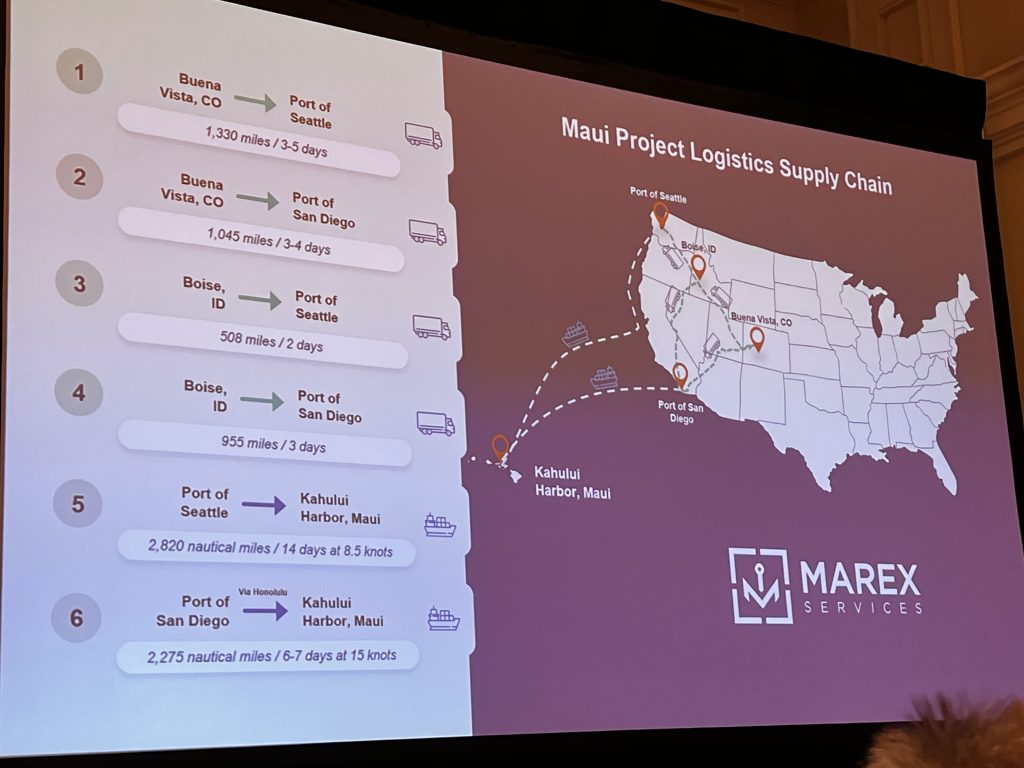
With over 100,000 households currently in temporary accommodation across the UK, perhaps it’s time to classify housing delivery as an emergency response. That shift in mindset could unlock the pace, coordination, and collaboration needed to build at scale.
Facing economic reality
Of course, none of this happens in a vacuum. On the final day, economist Anirban Basu gave a clear-eyed view of the economic pressures ahead: inflation, high interest rates, and potential recession. These forces are already slowing down some parts of the US modular market, particularly multifamily developments.
However, single-family homes, especially affordable ones, remain more resilient. It’s here that Sano’s approach feels especially relevant. We’ve been focused on innovations that support low-rise, energy-efficient housing, whether through products like M-Dock or digital tools that help manufacturers and developers simplify design and reduce cost uncertainty.
Four things the UK can learn from the US modular market
1. Standardisation is power
From Virginia to California, the strongest modular programmes rely on repeatable designs and pre-approved systems. It’s not about stifling creativity—it’s about removing friction. That’s why systems like M-Dock focus on simplifying the most complex build elements, making standardisation easier to scale.
2. Collaboration beats competition
Collaboration was a recurring theme, whether it was cross-state efforts or emergency response teams. In the UK, we need more open working between local authorities, manufacturers, designers, and communities. Innovation isn’t just in the product—it’s in how we work together.
3. Speed is a necessity, not a luxury
The Maui project wasn’t perfect, but it showed what’s possible when the barriers are removed. UK projects often grind to a halt because of procurement delays, planning confusion, or siloed delivery models. We need a more agile mindset to meet today’s housing challenges and treat the UK housing issue as an emergency.
4. It’s not just about tech
Speakers repeatedly emphasised that technology only works if skilled people and good processes match it. The same applies in the UK. BIM, digital twins, offsite assembly—these tools have real power, but only when backed by the right teams and a willingness to change.
Sano and the bigger picture
Sano doesn’t have all the answers. But we’re committed to making better answers easier to find.
We work across housing innovation—from clever system design to supporting manufacturers and councils in building faster, better, and more affordably. M-Dock is one part of that puzzle: a flexible solution that helps reduce project complexity and speed up delivery. But the bigger picture is about systems thinking, not just systems
The lessons from World of Modular reinforced what we already believe: housing delivery can be better, but it needs bold ideas, joined-up thinking, and a bit less red tape.
Let’s keep the conversation going if you’d like to explore how we can work together on any of this, whether it’s housing design, strategy, or innovation delivery.
Because from London to Las Vegas, the message is the same. Build smarter. Build faster. Build better.