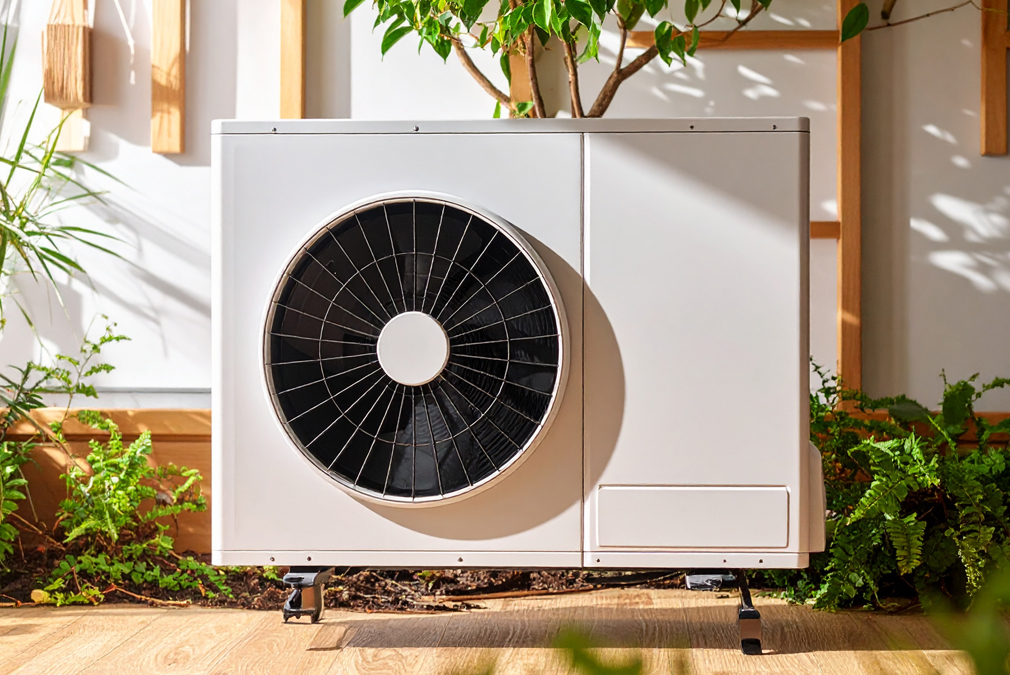
In the quest for sustainable and energy-efficient heating solutions, Air Source Heat Pumps (ASHPs) have emerged as Europe’s new low carbon answer. These innovative systems are not only environmentally friendly but also highly efficient, making them a popular choice for modern homes. But how do they work? and why are they considered a booming market? Let’s take a closer look at the fascinating process behind ASHPs.
Harnessing heat from outside.
At the heart of an ASHP is its ability to absorb heat from the outside air, even in chilly weather. This might sound unrealistic, but it’s all about leveraging the principles of thermodynamics. The outdoor unit of the ASHP (there is a unit outside and a unit inside, attached through the wall) draws in air using a fan and passes it over a heat exchanger coil filled with a cold refrigerant. This refrigerant absorbs the heat from the air, even when temperatures drop as low as -15°C, as refrigerant boils anywhere between -20 and -50.
The Refrigeration Cycle.
Once the refrigerant has absorbed the heat, it transforms into a warm, low-pressure gas. This gas is then compressed by the system’s compressor, which increases its pressure and temperature, turning it into a hot, high-pressure gas. This is the crucial ‘heating’ step. The hot gas travels to the indoor unit, where it passes through another heat exchanger. Here, it releases its heat to either air (in air-to-air systems) or water (in air-to-water systems), which is then distributed throughout the home via radiators, underfloor heating, or air ducts.
One of the standout features of ASHPs is their efficiency. Unlike traditional heating systems that generate heat by burning fuel, ASHPs transfer existing heat from the outside air to the inside of your home. This process is incredibly efficient, with modern ASHPs capable of delivering two to four times more heat energy than the electrical energy they consume. This efficiency is further enhanced by technological advancements such as variable speed blowers, improved coil design, and inverter-driven compressors.
Versatility in Heating and Cooling
From a mechanical design perspective, an ASHP works similarly to a refrigerator. Thanks to a reversing valve, these systems can switch between heating and cooling modes. In the warmer months, the process is reversed: the ASHP extracts heat from inside the home and releases it outdoors, effectively cooling the indoor environment. This versatility makes ASHPs a year-round solution for maintaining a comfortable home climate.
The Future of Home Heating
As we move towards a more sustainable future, the role of ASHPs in home heating and cooling cannot be overstated. Their ability to efficiently transfer heat, reduce carbon emissions, and provide year-round climate control makes them a smart choice for eco-conscious homeowners. With continued advancements in technology, ASHPs are set to become even more efficient and accessible, paving the way for a greener, more sustainable world.
Air Source Heat Pumps are a testament to the power of innovation in creating sustainable and efficient heating solutions. By harnessing the heat from the air, these systems offer a reliable and eco-friendly alternative to traditional heating methods, making them a key player in the future of home heating and cooling.
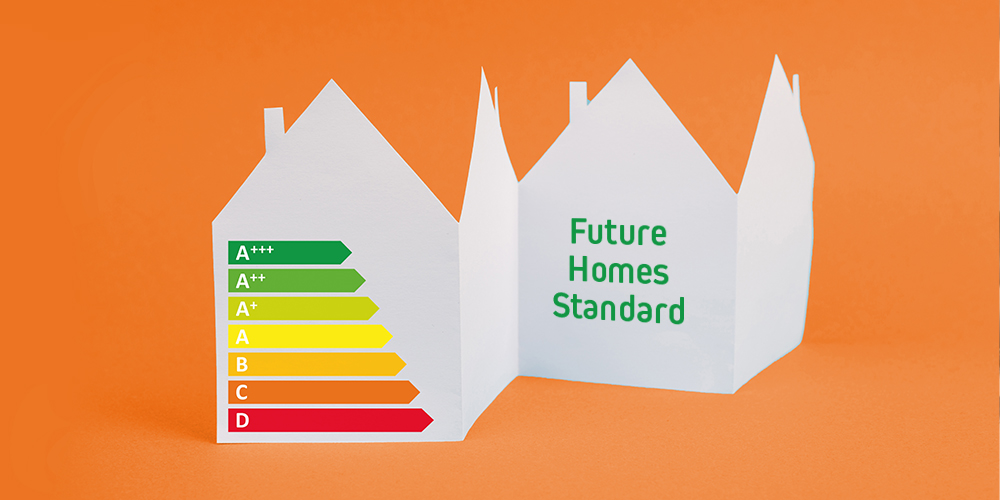
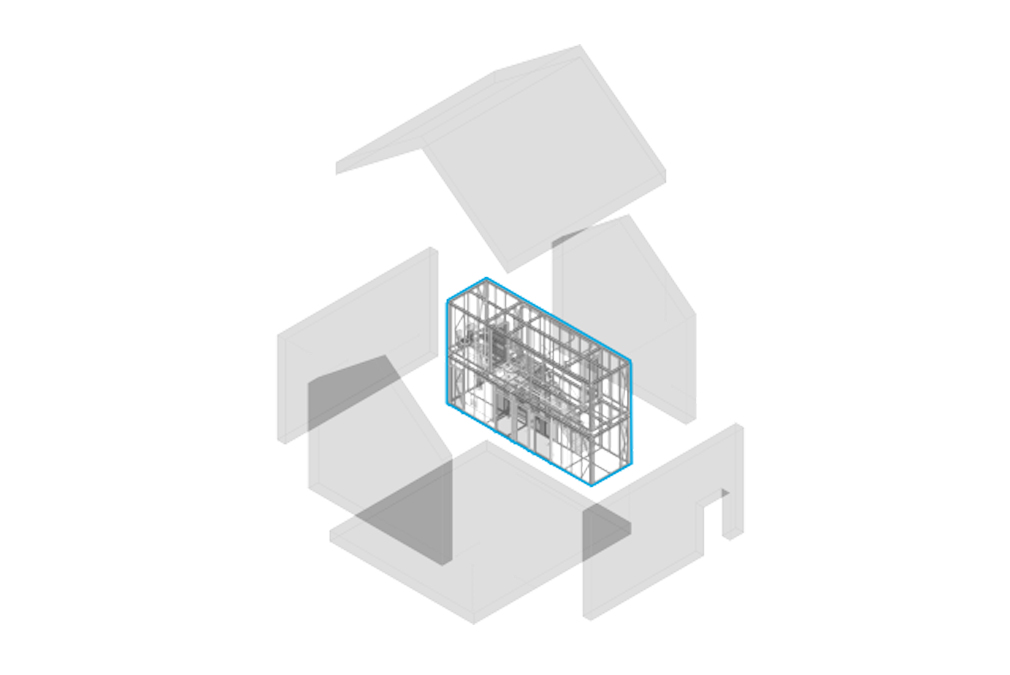
Building these units into housing has proven to be tricky, which is why we’ve created CoreMods. The housing industry is facing labour shortages, new future homes regulations, net-zero features, and time pressure to build 1.5 million homes by 2029. CoreMods helps solve all of these problems, which you can read more about here.