Gas Prices Are Rising Again This Winter. Electricity Isn't. Here's What That Means for Your Heating.
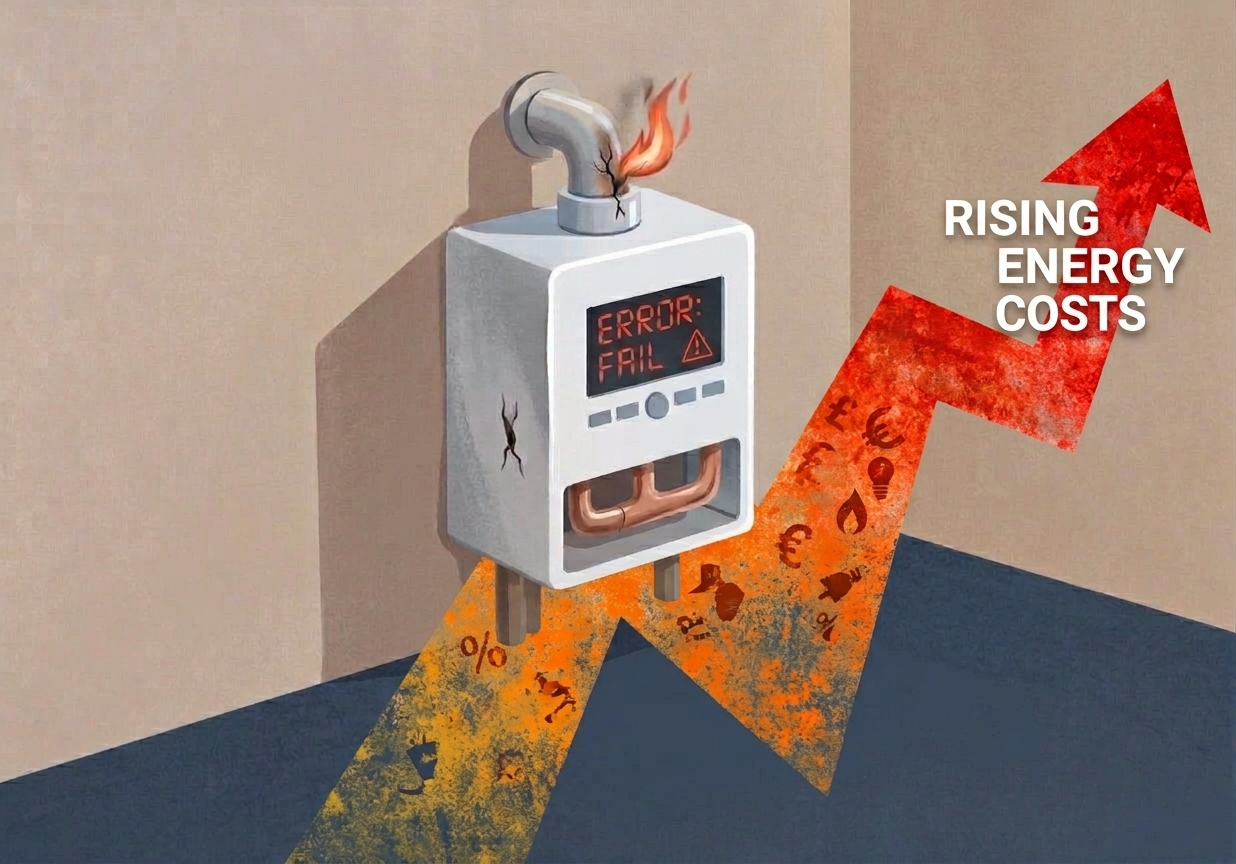
If your gas bill felt steep last winter, brace yourself: it's about to get steeper. Ofgem announced that the energy price cap will rise by 4% from 1 October 2026, pushing the typical dual-fuel bill from £1,663 to £1,723 a year. Gas is driving the increase. But Electricity is holding steady.
Behind that 4% headline figure is a much bigger gap. Gas unit rates are climbing by around 8%, from 7.33p to 7.97p per kWh, as high international wholesale gas prices, driven in large part by ongoing volatility linked to the Middle East conflict, continue to filter through to household bills. As Ofgem's Director General for Markets, Neil Kenward, put it: "High international gas prices are continuing to drive energy costs in the UK.
Electricity, by contrast, is barely moving. Unit rates are edging up from 26.11p to 26.32p per kWh, broadly flat, after the Government's removal of VAT on electricity bills absorbed what would otherwise have been a further £45 increase. The practical effect is striking: households with no gas connection, including many heat pump homes, will see their bills rise by less than 1% this winter, while everyone still relying on a gas boiler takes the full hit.
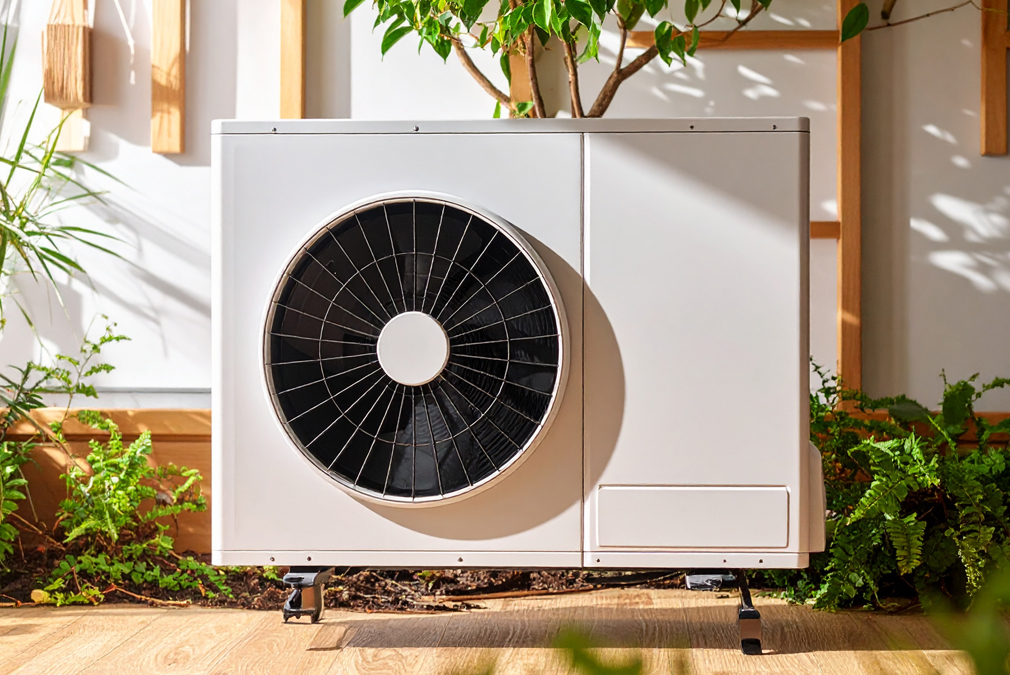
Gas prices are tied to volatile global wholesale markets, while electricity prices have had policy support pulling in the other direction. Every time gas spikes, the cost case for heating your home with electricity instead gets stronger. That's exactly what a heat pump does. Rather than burning gas, it uses electricity to extract heat from the air (or ground) outside and pump it into your home, typically producing three to four units of heat for every one unit of electricity it consumes. So even though electricity costs more per unit than gas on paper, a heat pump's efficiency means the actual running-cost gap is far narrower than most people assume, and it keeps closing every time gas prices rise while electricity stands still. Placement for heat pumps remains a divisive issue, as restrictive zoning laws of airflow. Heat Pumps such as Sano’s THE FIN, will be instrumental in opening further placements in back gardens, alleyways, and front of house.
Another objection to heat pumps has always been installation cost. The Boiler Upgrade Scheme currently offers £7,500 off an air or ground source heat pump installation for most homes, and if you're on oil or LPG rather than mains gas, that rises to £9,000 under a temporary boost running until 31 March 2027. Combined with lower ongoing exposure to gas price shocks, the payback math is looking better than it has in years. Winter bills are going up again, but not for everyone equally. Gas keeps getting more expensive and more unpredictable; electricity is staying comparatively stable. If you've been on the fence about a heat pump, this is the trend that should tip the decision: the cost of staying on gas is only heading one way, and it isn't down.