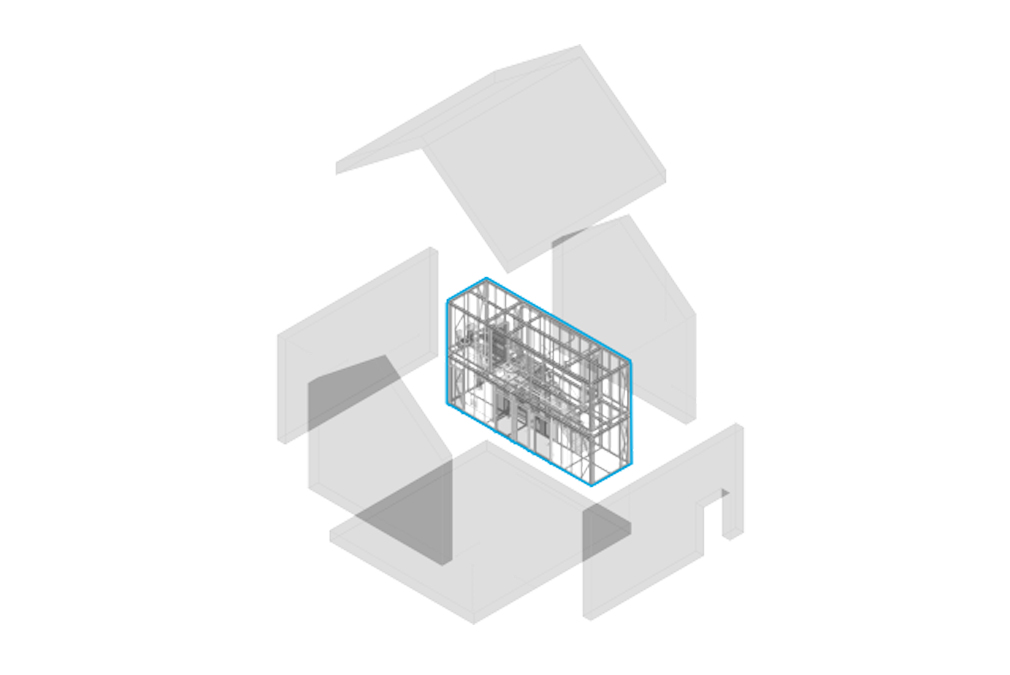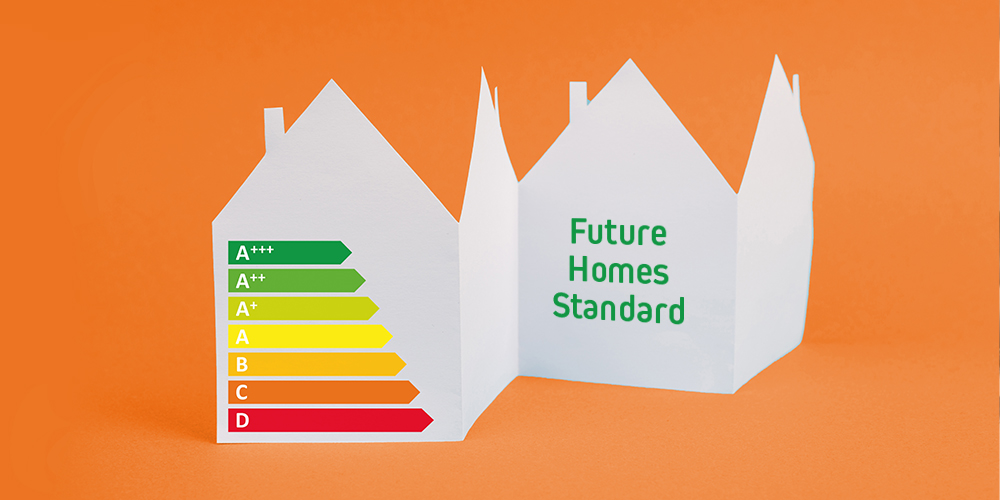
The transition to the Future Homes Standard marks a fundamental shift in the way Britain builds. For decades, British housing stock has been plagued by attitudes of ‘build now, fix later’, focusing on speed of delivery rather than quality. However, the governments new future homes standard signals a shift towards quality practices along with technology. In short, ‘fabric first’ traditional construction is no longer the priority, ‘technology first’ is, such as heat pumps and solar panels. The home is now designed to be smart, high-tech power station that is zero-carbon ready from the moment the first brick is laid.
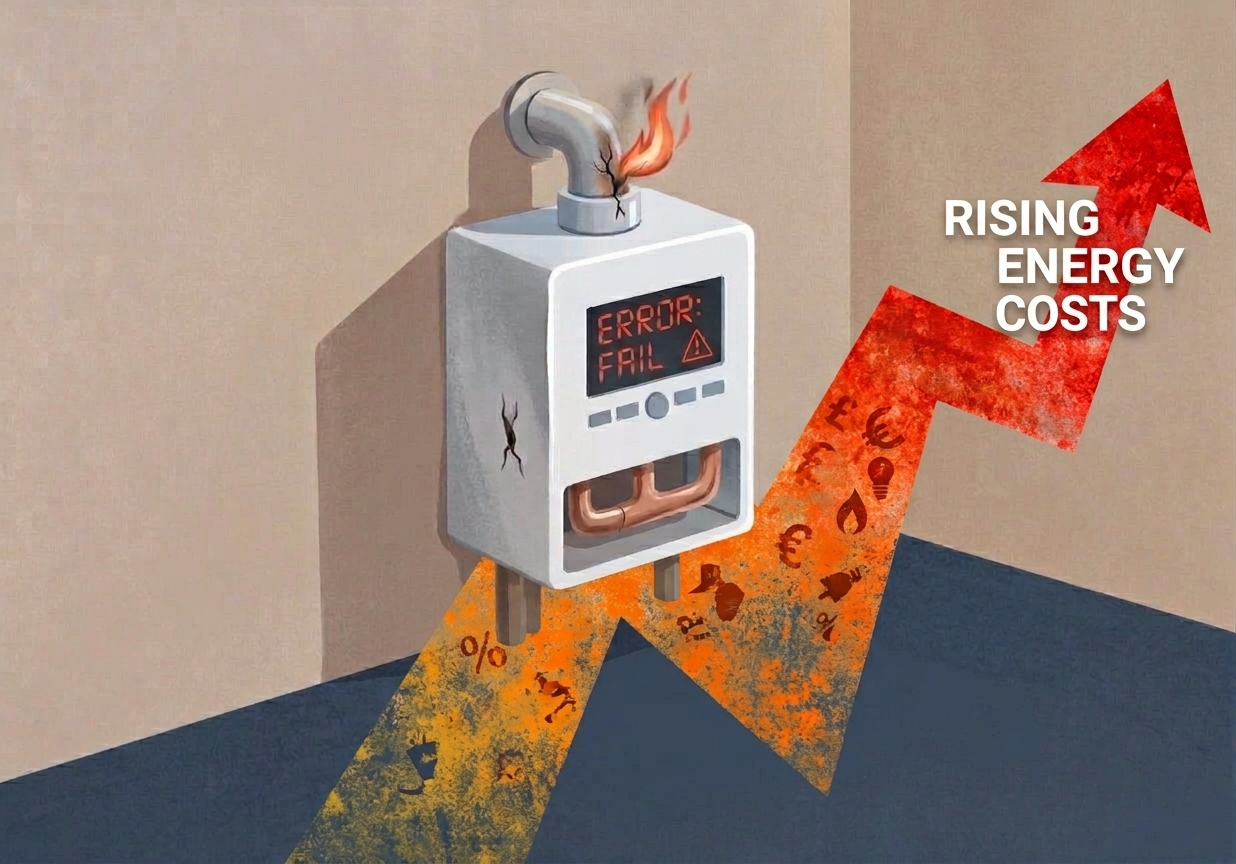
The 2026 regulations acknowledge that the most rapid path to decarbonisation lies in our mechanical systems. The traditional gas boiler, a staple of British life for generations, is effectively being retired in favour of heat pump technology. For many, this feels like a daunting leap, yet it offers a far more stable and efficient way of living. As the UK government moves away from gas and the unpredictable price fluctuations, heat pumps have been favourited over gas heaters. Heat pumps offer both an environmental and economical solution for homeowners as they provide a cheaper alternative to heat homes along with shielding owners from the volatility of global energy markets.
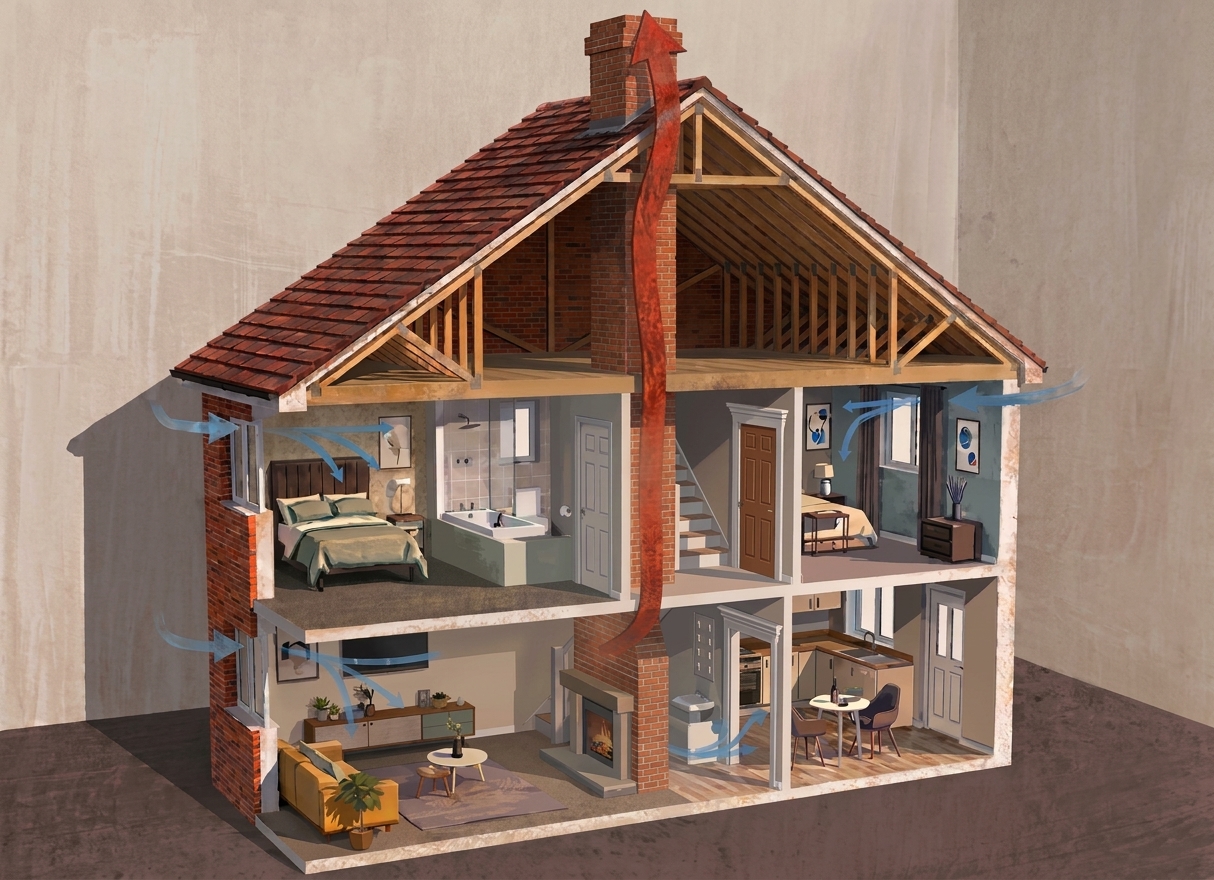
This technological focus doesn't mean the physical structure is being ignored, but its role has changed. The building’s "fabric"—its walls, floors, and windows—now serves as the essential stage upon which these high-tech systems perform. The standards ensure a high baseline of airtightness and insulation, which in turn necessitates a shift in how we think about the air we breathe. Because these homes are so well-sealed, mechanical ventilation systems with heat recovery (MVHR) are becoming the new normal. These systems quietly swap stale indoor air for fresh outdoor air while retaining the heat, ensuring that the high-tech interior remains healthy, dry, and comfortable without ever needing to "crack a window" and waste energy.
For those in the construction and property industries, the challenge of the Future Homes Standard is also an opportunity to redefine market appeal. The modern homebuyer is increasingly savvy, looking past the kitchen finishes to the digital heart of the house—the solar capacity, the battery storage potential, and the long-term running costs. Properties that meet these new standards are essentially "future-proofed," retaining their value as older, less efficient homes face the prospect of expensive future retrofits. By embracing this technological shift now, builders and homeowners alike are investing in a standard of living that is quieter, smarter, and fundamentally more resilient.
Ultimately, the Future Homes Standard isn't just a hurdle to clear; it is a blueprint for a life where our homes work for us, rather than the other way around.