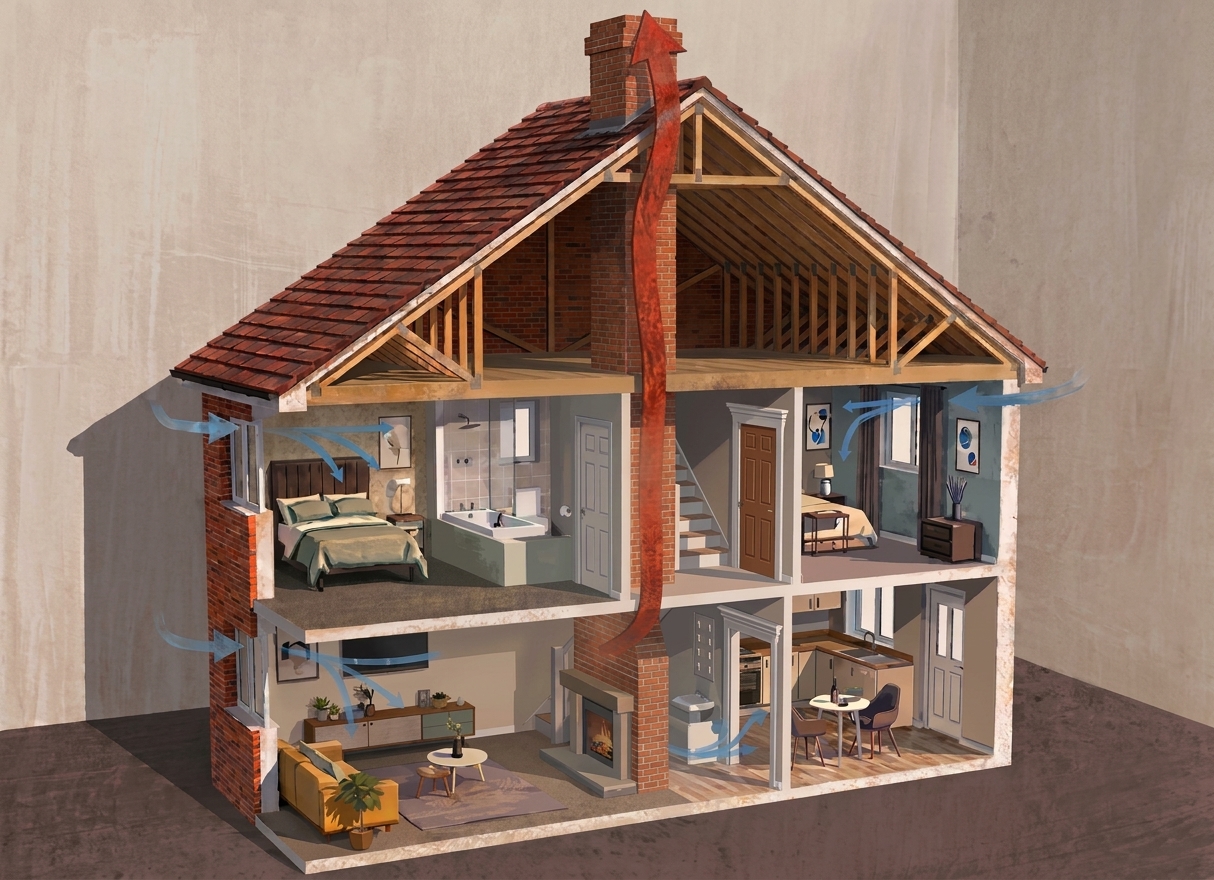
When you wake up to steaming windows and a musty smell in the bathroom, it's tempting to treat it as a problem you can clean away. But condensation is a warning light for something much bigger: your home isn't getting rid of the moisture it produces, creating the perfect conditions for mould. It's also no longer just a household annoyance.
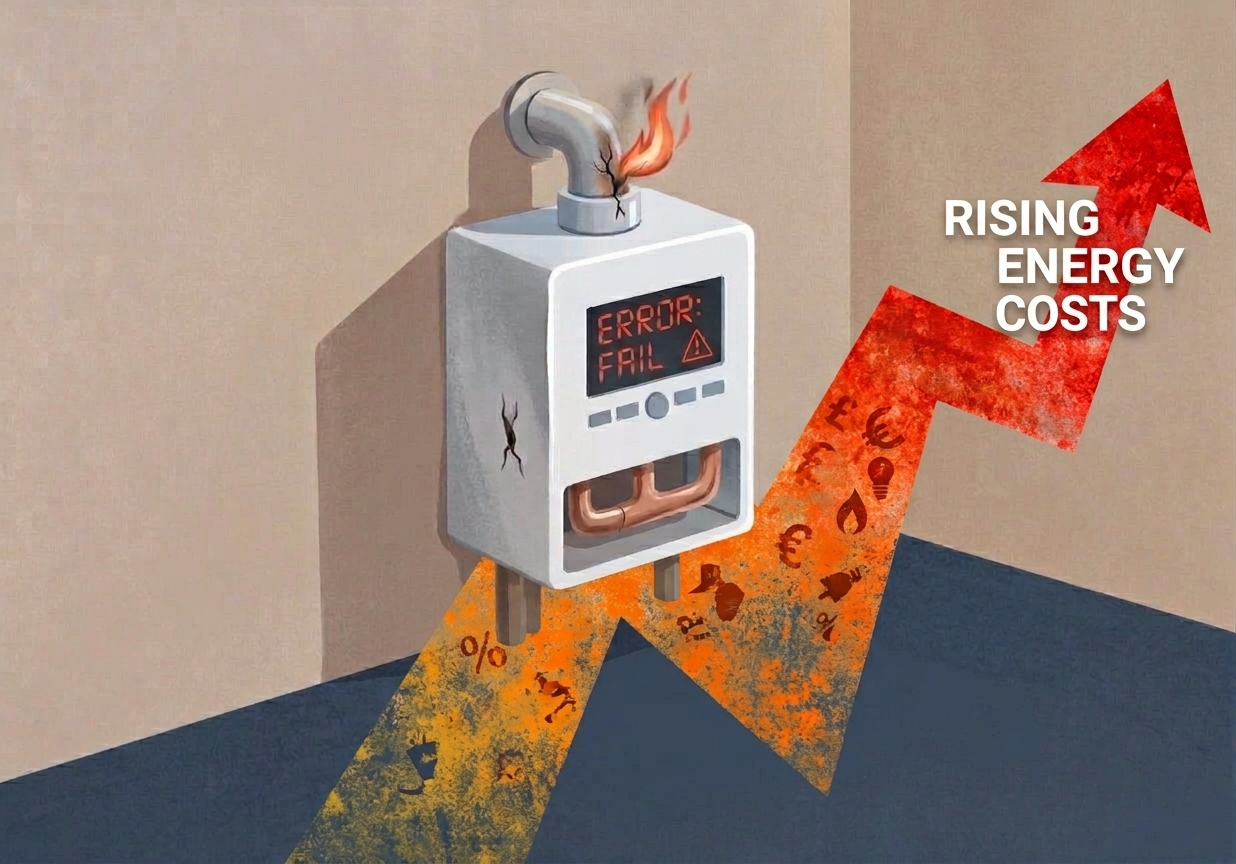
From 30 November 2026, Awaab's Law expands to cover seven more housing hazards beyond damp and mould, on top of the strict repair timescales that came into force in October 2025, a sign of just how seriously damp and mould are now being taken across UK housing.
Every home generates moisture constantly, whether anyone notices or not. According to guidance issued by local authorities, the average UK household puts around 12 litres, about 20 pints of water vapour into the air every single day, just from cooking, showering, boiling the kettle and breathing. If you dry your washing on radiators indoors, as many households do, that figure climbs well past 20 litres.
That moisture has to go somewhere. In a well-ventilated home, it's carried outside before it becomes a problem. In a poorly ventilated one, it collides with the coldest surfaces in the house, usually windows, external walls and the corners behind furniture, and condenses. Left damp for long enough, those surfaces become exactly the environment mould spores need to establish and spread.
Government guidance on the health risks of damp and mould is blunt: exposure predominantly affects the airways and lungs, contributing to coughing, wheezing, airway infections, and the onset or worsening of asthma and bronchitis. Children are named as a particular concern because their airways and immune systems are still developing, alongside older people, pregnant women, and anyone with an existing respiratory condition.
Awaab's Law exists because of exactly this risk. It's named after Awaab Ishak, a two-year-old from Rochdale who died in 2020 from a respiratory condition caused by prolonged exposure to mould in his family's home, a case that made painfully clear that damp and mould are a safety issue, not a maintenance footnote.
This is where Mechanical Ventilation with Heat Recovery (MVHR) earns its place. Rather than relying on individual fans and open windows, an MVHR system runs continuously in the background, drawing in filtered fresh air and extracting stale, moisture-laden air from the whole house, while recovering the heat from the outgoing air so you're not paying to reheat a home you've just ventilated.
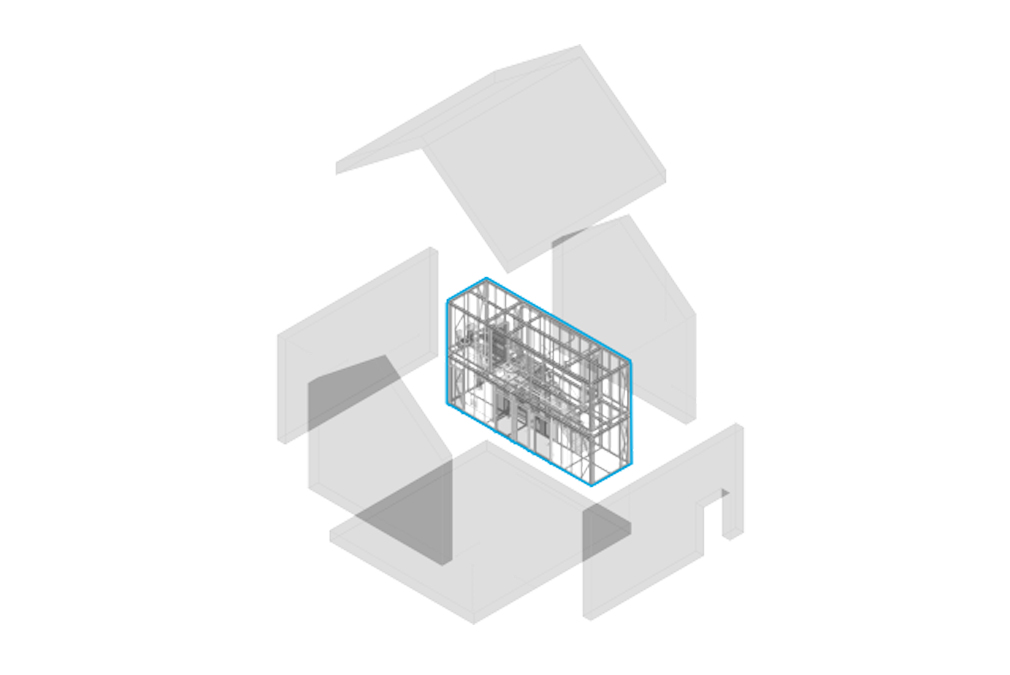
Sano's AirFire takes that idea and rethinks where it fits. Rather than adding the ductwork and plant space a conventional MVHR system needs, it builds a compact, vertical MVHR unit into the hearth, the space a traditional fireplace would have occupied. The result is what Sano describes as a "digital lung" for the room: constant, filtered fresh air and heat recovery, without carving up ceilings and walls to fit it in. For anyone building or renovating a well-sealed, energy-efficient home, precisely the kind of airtight construction where trapped moisture is most likely to become a problem, it's a way of getting whole-house ventilation without the usual retrofit headache.
Condensation on the windows isn't just a wipe-and-forget nuisance; it's your home telling you it can't get rid of the moisture it's producing, and mould is what happens next if nothing changes. The good news is that ventilation, not bleach spray, is the actual fix, and it scales from free daily habits right up to whole-house systems that handle it automatically.