Dropped Truss
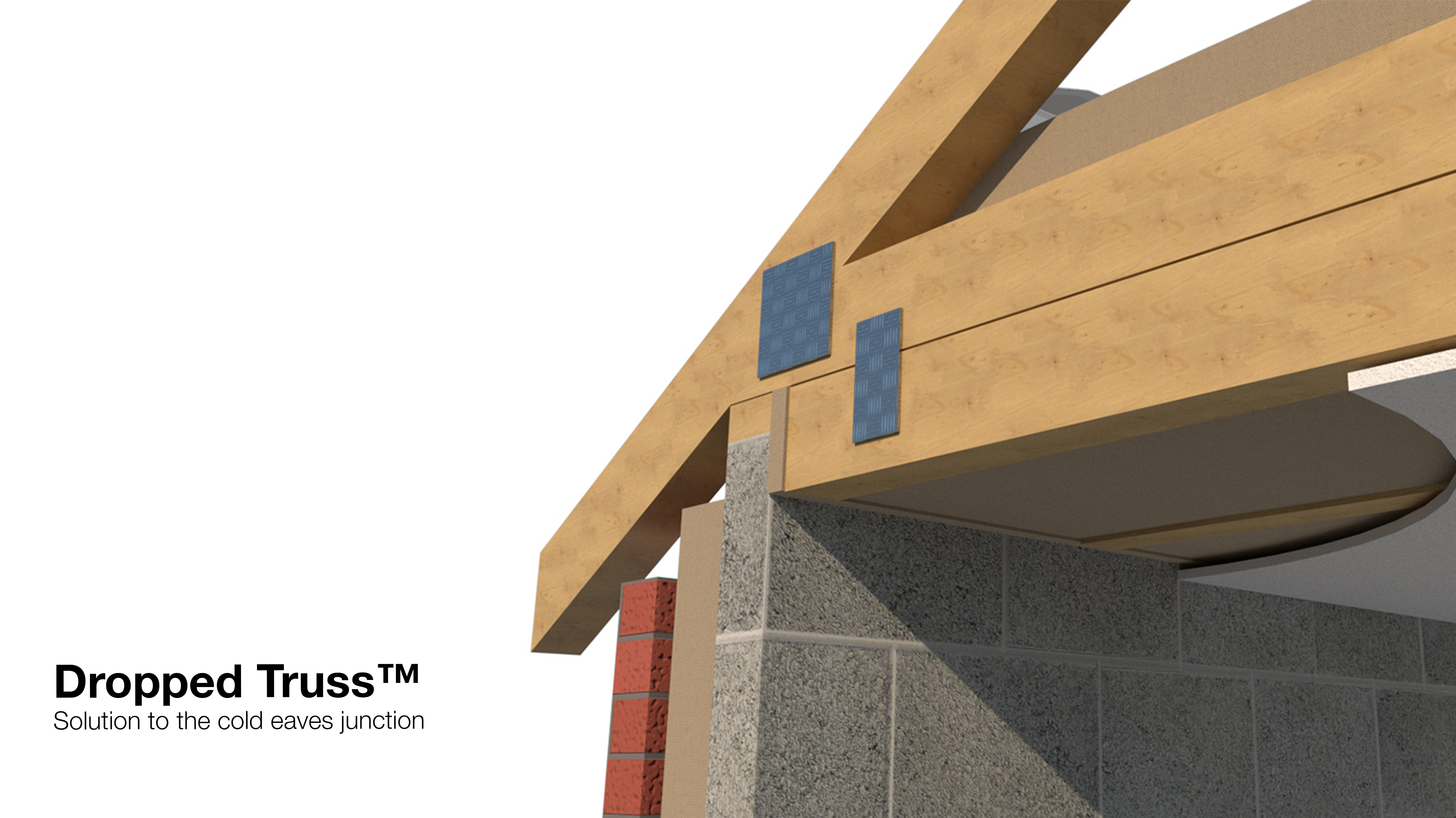
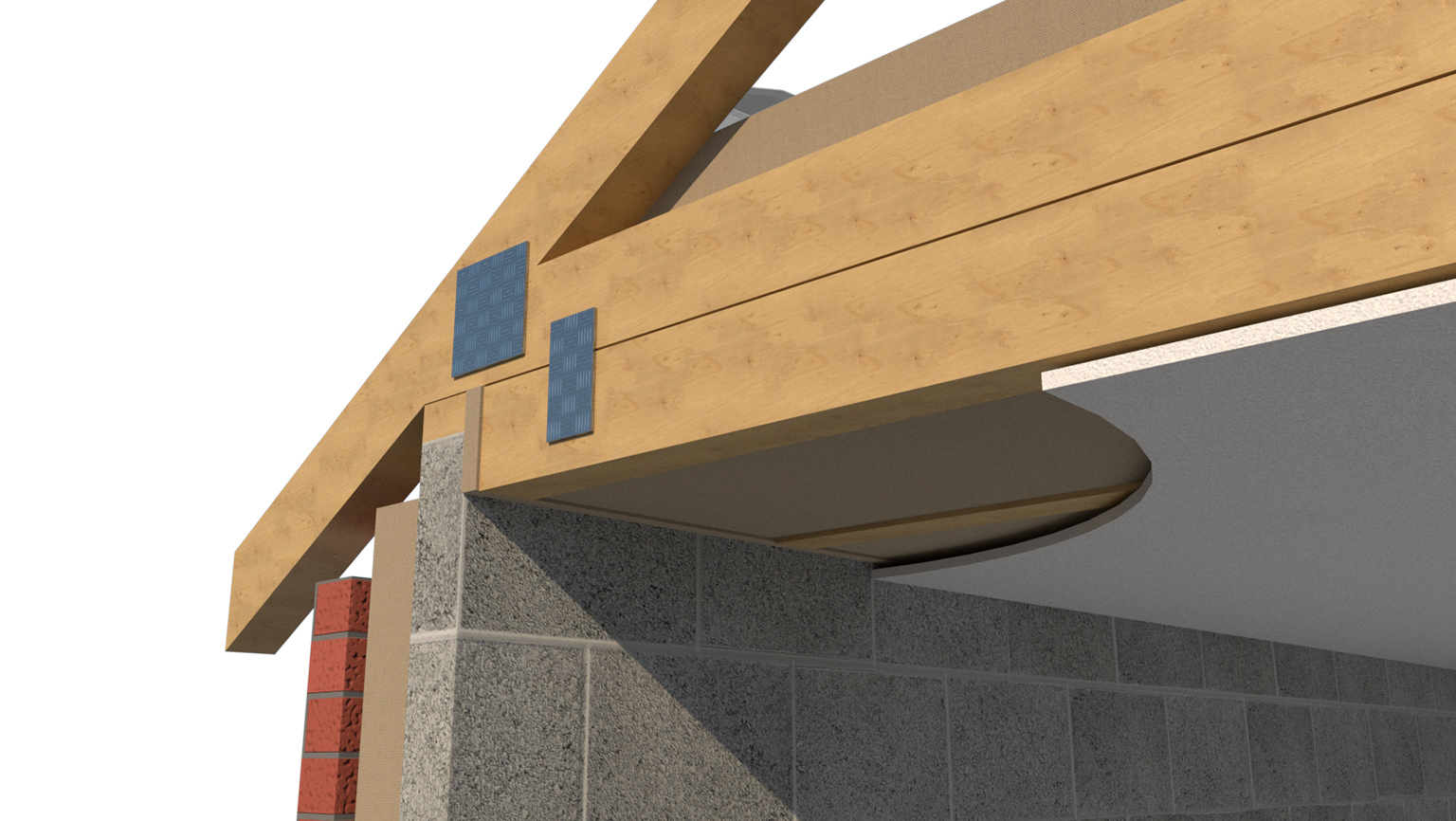
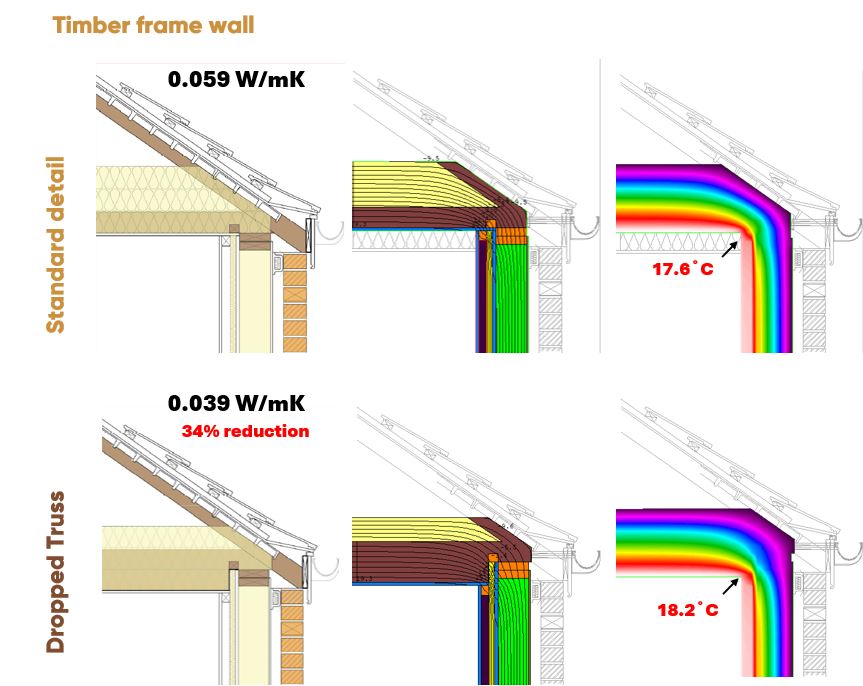

In traditional residential construction, the junction where the roof meets the wall—the eave—is a notorious weak point for thermal performance. Because of the way standard trusses sit on the wall plate, there is often insufficient space to maintain the full depth of insulation at the edges. This creates a thermal bridge that can account for up to 30% of a home’s total heat loss through the wall-to-roof connection. Beyond the financial impact of rising heating bills, this cold spot causes a sharp temperature gradient, leading to localized condensation, persistent mould growth, and poor indoor air quality.
Revenue influenced by our work
Labour hours saved
How can this help you?
The implementation of the dropped truss system provides tangible value for every party involved in the lifecycle of a building: For Large-Scale Builders: It offers a streamlined path to meeting the rigorous requirements of the Future Homes Standard. By designing out the thermal bridge, builders can reduce the complexity of on-site junctions and significantly lower the frequency of after-sales defects related to dampness and cold spots. For Warranty Providers: The system acts as a de-risking tool. By eliminating the primary cause of interstitial condensation at the eaves, it reduces the long-term risk of structural decay and health-related claims, ensuring more durable housing stock. For Residents and Tenants: With household energy bills having surged by roughly 70% since 2020, the dropped truss provides immediate economic relief. It creates a healthier living environment by preventing toxic mould growth and enhances overall thermal comfort, ensuring heat stays inside the home where it belongs.